![RFID Tag Manufacturer [Wholesale | OEM | ODM]](https://jiangsutaobai.com/wp-content/uploads/2025/12/LOGO-01-1.webp)
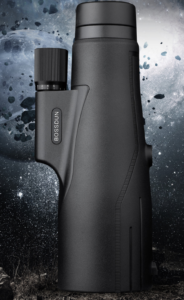
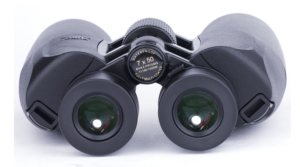
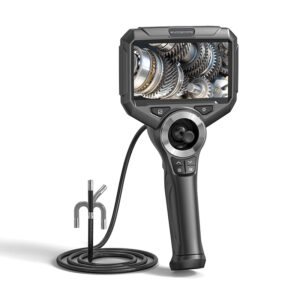

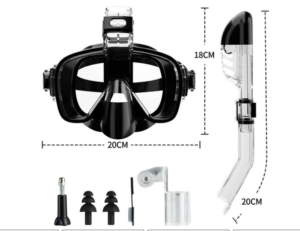
Amid the ruins of sudden disasters, in the depths of dark ocean rescues, and during life-or-death moments of emergency medical care, there exists a category of equipment that serves as the critical lifeline—life-saving gear. From basic first-aid kits to sophisticated intelligent rescue robots, from personal protective gear to large-scale professional rescue systems, every advancement in life-saving equipment means more lives can be snatched back from the jaws of death. They serve as the “right-hand man” for rescuers and the “beacon of hope” for those in peril, forging a robust lifeline through technology and meticulous craftsmanship.
Life-saving equipment encompasses a wide range of applications and can be categorized into multiple types based on specific scenarios, each playing an irreplaceable role in its designated field. At natural disaster rescue sites—such as earthquakes, mudslides, and collapse incidents—cutting and rescue tools serve as the core force for opening lifelines. Hydraulic cutting and prying tool sets effortlessly sever rebar and pry open precast slabs, creating escape or rescue pathways for trapped individuals. Life detection devices utilize acoustic and infrared technologies to precisely locate survivors amidst the layers of debris, preventing secondary injuries caused by blind excavation. Additionally, emergency tents, mobile oxygen supply units, and temporary water purification systems provide essential survival support for both affected populations and rescue personnel, laying the groundwork for sustained rescue operations.
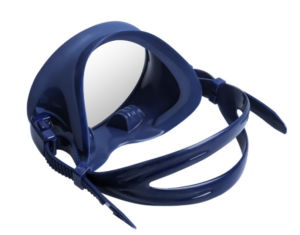
In water rescue scenarios, professional rescue equipment is indispensable. Life jackets and life buoys are the most fundamental and critical personal protective gear, helping victims stay afloat and buying time for rescue. Rafts and inflatable boats enable rapid deployment to rescue sites in swift rivers, floodwaters, or open seas, facilitating the evacuation of trapped individuals. For deep-sea rescues, diving equipment and underwater robots shoulder the critical tasks of exploration, location, and rescue, overcoming challenges such as complex underwater environments and low visibility.
In the field of emergency medical care, life-saving equipment serves as the “last line of defense” for protecting lives. Defibrillators deliver electrical shocks to the heart during cardiac arrest, restoring its normal rhythm; ventilators assist patients with respiratory distress, maintaining breathing function and buying time for further treatment; portable first-aid kits contain essential medical supplies like tourniquets, disinfectants, and bandages. Whether during outdoor adventures or sudden illnesses in daily life, these kits enable rapid initial wound care and vital sign stabilization. With advances in medical technology, an increasing number of smart emergency devices have emerged. For instance, smart first-aid kits can monitor medication expiration dates in real time and prompt replenishment, while remote emergency equipment enables patients in remote areas to receive timely guidance from professional doctors.
Technological innovation serves as the core driving force behind the advancement of life-saving equipment. In recent years, the integration of emerging technologies such as artificial intelligence, big data, and the Internet of Things (IoT) with life-saving equipment has deepened significantly, making rescue operations more efficient, precise, and secure. For instance, intelligent rescue robots can replace human rescuers in entering hazardous environments characterized by high temperatures, toxic substances, or high explosion risks to execute rescue missions. Equipped with cameras, sensors, and other devices, these robots transmit real-time information from the scene. Drone rescue systems can rapidly survey disaster zones, deliver emergency supplies, and even deploy life rings to remotely assist drowning victims. IoT-based vital signs monitoring equipment tracks the health parameters of both rescuers and trapped individuals in real time, triggering immediate alerts upon detecting abnormalities to safeguard rescue personnel.
Meanwhile, the development of life-saving equipment increasingly emphasizes portability, versatility, and user-friendly design. For outdoor exploration and mountaineering scenarios, compact, lightweight, and functionally integrated portable rescue gear has been developed for easy personal carrying and operation. To adapt to diverse rescue environments, multi-purpose rescue gear has emerged, enabling a single device to perform functions like breaching, cutting, and towing to enhance rescue efficiency. Design emphasizes operational simplicity, allowing even non-professionals to quickly master its use. Considering the psychological state of trapped individuals, equipment appearance and operation methods have become more user-friendly, reducing their fear and anxiety.
Life comes first, rescue takes precedence. The advancement of life-saving equipment directly impacts the success of rescue operations and the effectiveness of life protection. As society places increasing emphasis on life safety and technology continues to innovate, future life-saving equipment will inevitably evolve toward greater intelligence, efficiency, precision, and user-friendliness, providing stronger support for safeguarding every life. We have every reason to believe that with the support of these cutting-edge tools, whether confronting natural disasters or unexpected emergencies, we will possess greater resilience to respond effectively, allowing more lives to find renewed hope in adversity.


